
Successful Business Models in the Fashion Industry
- Mar 25, 2024
- 2 min read
Written and Researched by Noor Saqib

In the ever-evolving terrain of the fashion industry, successful business models are crucial for brands to thrive amidst fierce competition and changing consumer preferences. Here is your (unofficial) guide to some effective business models that have proven to be imperative in the dynamic world of fashion.
Direct-to-Consumer (DTC) Model:
The DTC model has grown in popularity in recent years, allowing fashion brands to bypass traditional retail channels and sell directly to consumers through online platforms or in real life stores. By eliminating intermediaries, brands can establish a closer connection with their customer base, gather valuable data insights, and maintain greater control over pricing and branding. Companies like Everlane and Warby Parker have capitalized on this model, offering high-quality products at competitive prices while fostering a strong brand identity.

Subscription Services:
Subscription-based models have revolutionized the way consumers access fashion, offering convenience and personalization. Companies like Stitch Fix and Rent the Runway provide curated clothing selections tailored to individual preferences, allowing subscribers to explore new styles without the commitment of ownership. This model not only enhances customer engagement but also promotes sustainability by reducing textile waste through rental and resale options.

Fast Fashion:
Despite criticisms surrounding its environmental and ethical implications, the fast fashion business model is always in demand due to its ability to deliver trendy and affordable clothing at a rapid pace. Brands like Zara and H&M have mastered the art of quick-turnaround production, leveraging efficient supply chains and agile manufacturing processes to capitalize on emerging trends and consumer demand. However, the sustainability of this model is questionable, prompting some brands to adopt more environmentally friendly practices.

Luxury and Exclusivity:
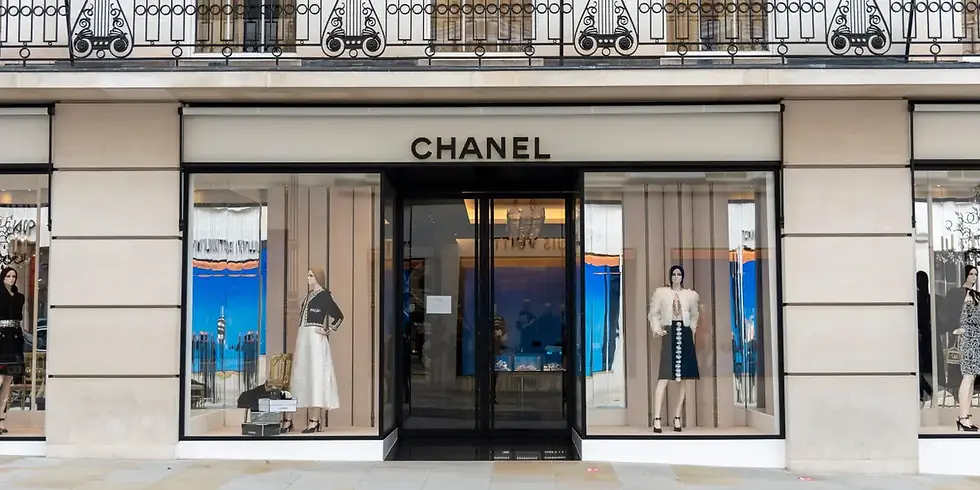
At the opposite end of the spectrum, luxury fashion brands thrive on exclusivity, craftsmanship, and heritage. By positioning themselves as aspirational lifestyle choices, companies like Chanel and Louis Vuitton command premium prices and cultivate a sense of prestige among affluent, privileged consumers. Limited edition releases, personalized services, and immersive brand experiences contribute to the allure of luxury fashion, creating an air of exclusivity that transcends normal products.
Vertical Integration:
Vertical integration involves controlling various stages of the production and distribution process, from design and manufacturing to getting the products in store. By streamlining operations and minimizing reliance on external suppliers, “vertically integrated” brands can maintain quality standards, optimize cost efficiencies, and enhance the amount of product and how quick they make it onto the market. Examples include Ralph Lauren and Nike, which own manufacturing facilities and operate their retail stores, enabling greater flexibility and innovation in product development.


Comments